
Sustainable High Performance and the Limits of the Hustle Culture
Hustle culture once looked like the price of success. Today, it is a liability. As capital tightens and complexity increases, long hours and constant urgency no longer produce better outcomes. They quietly erode clarity, decision quality, and leadership capacity. Sustainable high performance is not about working less. It is about building performance that lasts by aligning effort with outcomes and protecting the mental and physical systems founders rely on to think, lead, and scale effectively.

How RTT therapy can help with burnout and long-term well-being
Burnout goes beyond simple tiredness. It is chronic stress that drains energy, motivation, and emotional balance. The article explains how RTT works at the subconscious level to reframe the beliefs that drive overwork and self-pressure, helping people create lasting resilience and healthier relationships with work, rest, and wellbeing.

The Real Reason for Low Self Confidence and How It Starts
Many high performers describe their lack of confidence as a personal flaw. They think they simply need to toughen up or try harder. Yet low self confidence is not weakness. It is a learned response that once kept you safe.
When you understand that, self-criticism turns into clarity. Because if lack of confidence was learned in response to danger, it can also be unlearned once safety returns.
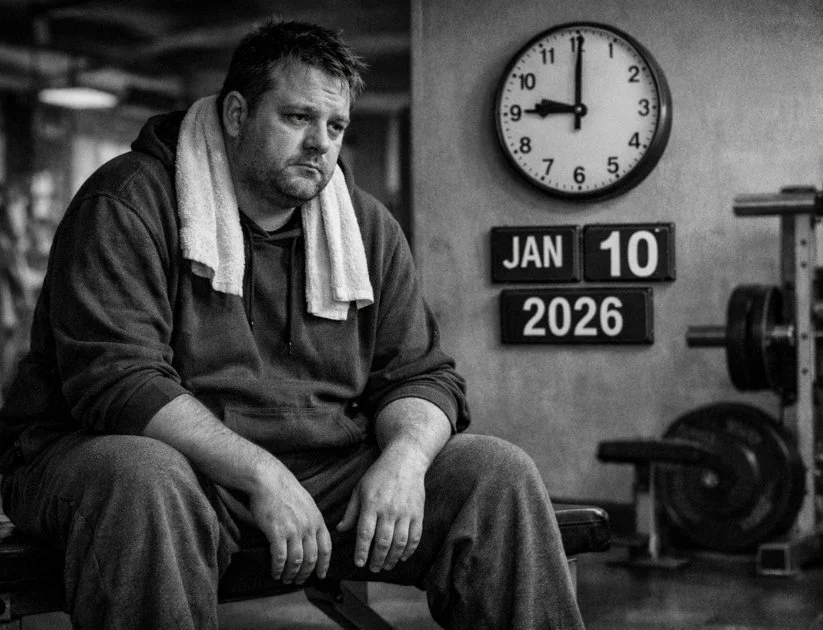
Why Creating Habits Is So Hard (and How Rapid Transformational Therapy Can Help)
Many people believe that if they cannot stick to a habit, it means they lack discipline. They tell themselves they should be more motivated, more organised, or simply try harder. But the truth is, most habit struggles have very little to do with willpower.
Habits do not fail because people are weak. They fail because they are being created in the wrong way. To understand why, it helps to look at how the mind actually works.
In this blog, we do exactly that, and explore how Rapid Transformational Therapy (RTT) might help creating lasting habits.

Rewire cravings: How hypnosis and RTT help you take control
You know that moment when the cravings hit. Sometimes at night, sometimes during a stressful moment during the day. The chocolate bar in the cupboard that suddenly feels impossible to ignore. The quick vape break you promised yourself you would stop. The glass of wine that feels like the only way to unwind after a long day. We've all been there. Explore how Rapid Transformational Therapy aims to uncover the roots of anxiety, and support a calmer response.

How RTT Therapy can provide relief for anxiety, rapidly
Anxiety shows up in different ways. For some people, it’s a constant sense of worry that never fully switches off. For others, it’s the feeling of being on edge, struggling to relax or sleep, or getting overwhelmed by everyday situations. Even when someone logically knows they’re safe, the body doesn’t always get that memo. Explore how Rapid Transformational Therapy aims to uncover the roots of anxiety, and support a calmer response.
RTT Therapy and Coaching: Why the Combination Creates Lasting Change
Many people try to change their habits through willpower, accountability, or coaching alone, only to feel stuck repeating the same patterns. This article explains the key differences between Rapid Transformational Therapy (RTT) and coaching, and why combining the two often leads to deeper, more sustainable change. By addressing subconscious blocks first and then building supportive habits, change can feel easier, more natural, and long-lasting.